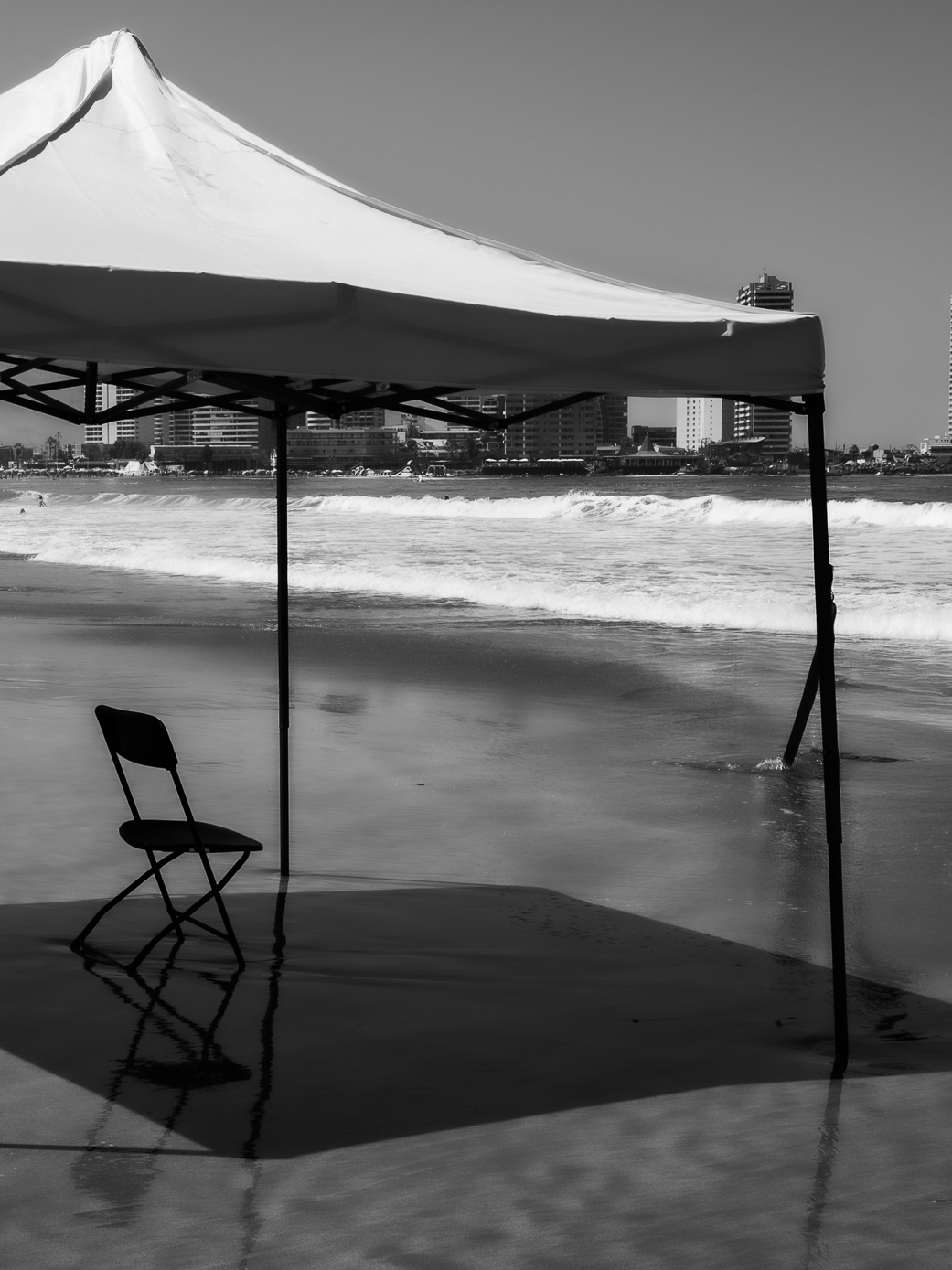
Transmutation
2026
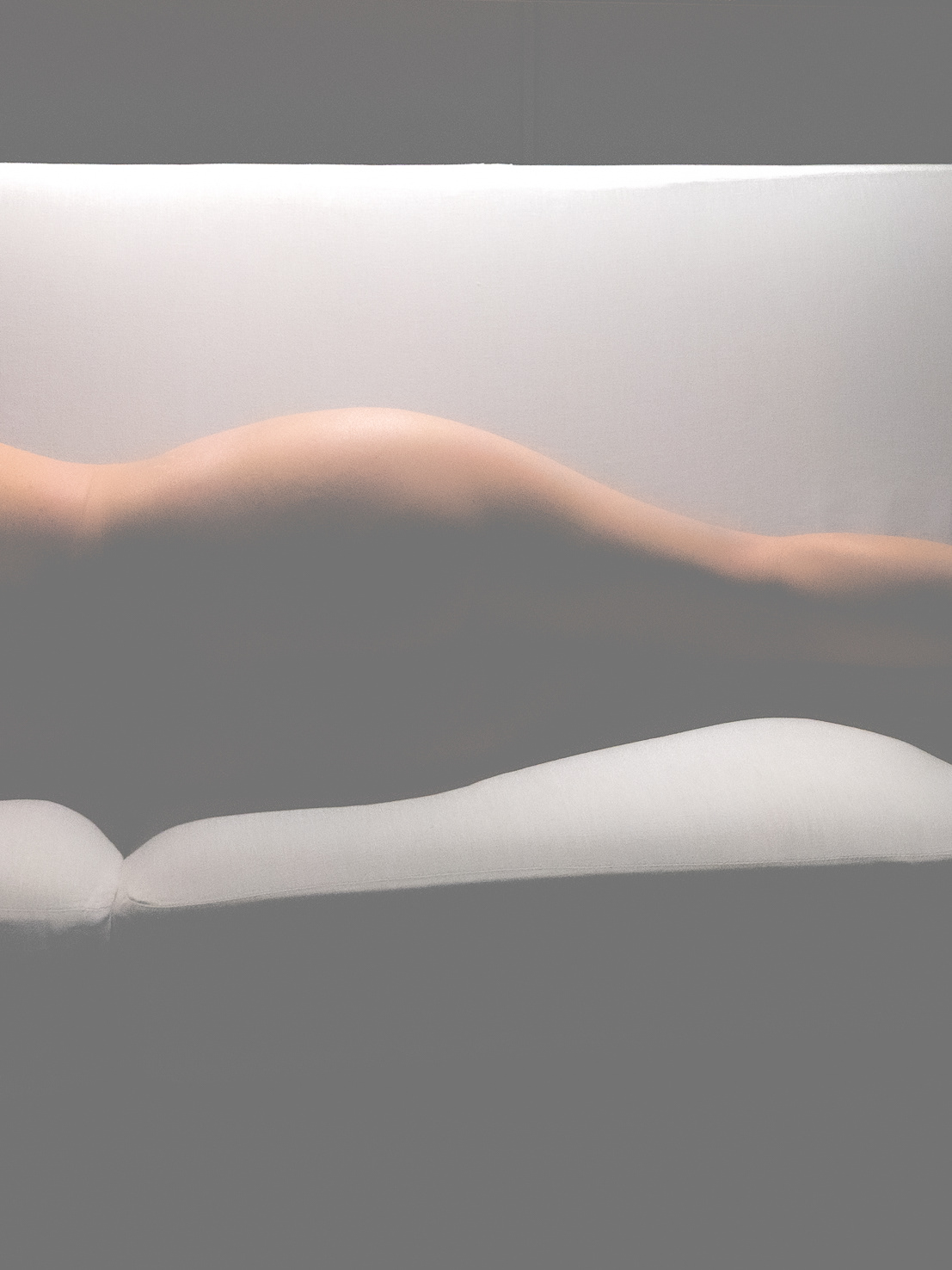
Phoenix
2026
My great-grandfather designed the portico of Valparaíso’s Cemetery No. 1 — a stone threshold that, without my knowing it, has shaped the way I see. He brought forms and architectural ideas from Europe that became embedded in the Chilean landscape. Today, I inherit not only that architectural gaze, but also a broader lineage that extends through Italy, Switzerland, Croatia, and the migrations that shaped my family history. Habitar el Silencio follows the body through the territories that have formed it — desert, water, stone, and architecture — tracing the visible and invisible structures that travel across generations and geographies. Rather than documenting place, the work examines how inherited histories become embodied, how landscapes leave traces, and how memory takes form through presence, absence, and perception. It is ultimately the body, not the landscape, that reveals what these encounters produce. Conceived as an open-ended investigation, Habitar el Silencio remains in permanent construction, unfolding chapter by chapter as the research evolves.